What to Know About Panamanian Food: A Delicious Blend of Cultures

Panama’s cuisine isn’t just one thing—and that’s exactly what makes it so interesting. The food here reflects the country’s complex history: from Afro-Caribbean and Indigenous traditions to Spanish colonial influences and a deep-rooted Chinese presence. It’s not fusion. It’s just Panama.
If you’re traveling here, you won’t want to miss the flavors that make this country unique. Here’s a guide to understanding the roots of Panamanian food—and what to look for on your plate.
Chinese Influence: Everyday and Everywhere
Panama has one of the largest Chinese communities in Central America, and Chinese food is deeply embedded in the local food culture. Chinese immigration began in the 1850s, when workers came to help build the Panama Railroad. Many stayed through the canal construction era and beyond, opening corner stores, restaurants, and fondas (small local eateries).
This is why you’ll often find arroz frito (fried rice) as a side dish to something like fried fish or grilled chicken. Choy sum, soy sauce, and spring onions pop up all over. And it’s not unusual to find a full Chinese menu at a fonda—even in a rural town.
Don’t miss:
Comida China Panameña: Local-style fried rice with shrimp and pork
Wanton soup: Brothy, simple, comforting
Sweet and sour pork: Sometimes with tropical fruit twists
And yes—there are full-on dim sum places in Panama City if you know where to go
🌴 Afro-Caribbean Roots: Bold, Spiced, and Coastal
On the Caribbean side of Panama—think Colón, Bocas del Toro, and the coastal towns—Afro-Caribbean heritage runs deep. Descendants of West Indian migrants (many from Jamaica and Barbados) brought over during the canal construction brought with them a completely different set of flavors, spices, and ingredients.
Afro-Caribbean food in Panama leans on coconut milk, scotch bonnet peppers, culantro (a cousin of cilantro), and rich stews with layered spice. You’ll taste influences from West Africa, the Caribbean, and even India (hello, curry powder).

Typical Afro-Caribbean dishes include:
Rondón: A coconut-based seafood stew with root vegetables
Plantinta: Fried plantain tarts, often filled with sweetened coconut
Saltfish and coconut rice: Hearty, salty, creamy perfection
Johnny cakes: Fried or baked dense rolls, great for breakfast with cheese
These dishes aren’t always found in tourist restaurants—ask around or explore fondas in Colón, Portobelo, or Bocas to find the real thing.

Spanish Colonial Influence
From the Spanish came rice and beans, pork, olive oil, and stews. Many traditional Panamanian dishes blend Spanish base techniques with Indigenous or Afro-Caribbean ingredients. Empanadas, tamales, and ropa vieja (shredded beef stew) are great examples of this blend.
Look for:
Arroz con pollo: Yellow rice with chicken, peas, and bell peppers
Tamales Panameños: Wrapped in banana leaves and often filled with olives and raisins
Carimañolas: Cassava fritters stuffed with beef—basically Latin American croquettes
Indigenous & Local Ingredients
The country’s Indigenous groups—like the Guna, Ngäbe, and Emberá—have shaped the use of ingredients like maize, root vegetables, fish, and tropical fruits. Corn is foundational here, but often appears in fresh forms: corn drinks (chicheme), boiled corn cakes (bollos), or corn-based empanadas.
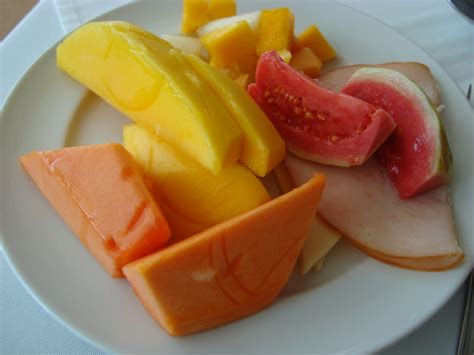
Tropical fruits are everywhere and part of daily life. If you’ve never tasted a mango in Panama in March, you haven’t lived.
🧂 Other Influences: U.S., Global, and Modern
Thanks to the Canal Zone era and Panama’s role as an international crossroads, you’ll also see American-style dinersChicha de Saril, burgers, and pancake houses across the country. There’s also a growing contemporary food scene in Panama City with chefs blending local ingredients with international techniques.
A Few Must-Try Local Favorites
Sancocho: The national dish—a light chicken and herb soup, often with yam or corn
Hojaldres: Fried dough, often eaten with cheese or eggs for breakfast
Chicha de Saril: A cold hibiscus drink, especially popular around the holidays
Pesado de Nance: A thick dessert made from fermented nance fruit
Final Thoughts
Panama’s food tells the story of its people—layered, diverse, and full of surprises. Whether you’re grabbing an empanada from a roadside stall, sitting down to Caribbean stew in Portobelo, or ordering dim sum in Panama City, you’re tasting a piece of history. Slow down, try something unfamiliar, and don’t be afraid to ask what’s in it. You might just discover a new favorite.
—
Want to eat your way through Panama like a local? I’ve got you covered—check out my foodie maps, fonda guides, and neighborhood eats series for more local flavor.